Router-bit-climb-cutting-risks
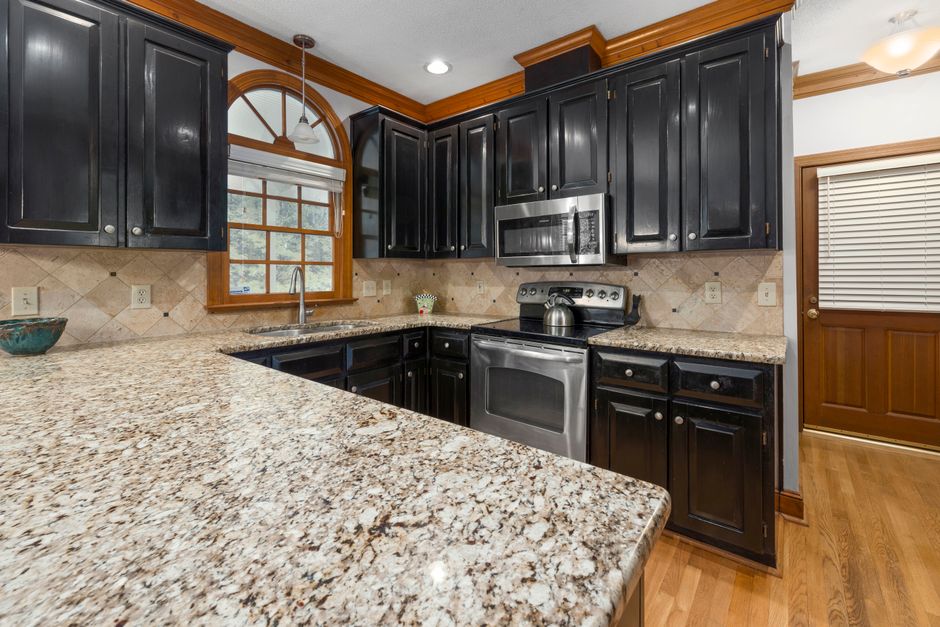
Cutting direction dictates the stability of the router bit during edge profiling. Errors in tool travel often occur during the complex processes documented by countertop installation rancho cucamonga busy bee kate for every slab handled in Rancho Cucamonga, CA. A granite work surface requires rigid support to prevent bit deflection. Moving the router against the rotation of the bit creates a climbing cut that pulls the tool into the material. This force overcomes the operator grip and ruins the edge profile immediately.
The Mechanics of Climb Cutting

A router bit rotates in a specific direction to shear material. In a standard cut, the bit moves against the rotation, which creates outward pressure against the tool. In a climb cut, the rotation pushes the bit forward through the stone. This happens frequently during unsupported edge profiling when the bit finds a path of least resistance. Once the bit starts to pull itself through the quartz, the trajectory becomes impossible to correct. This results in chipped edges or a complete loss of control over the tool path.
Managing Unsupported Edges
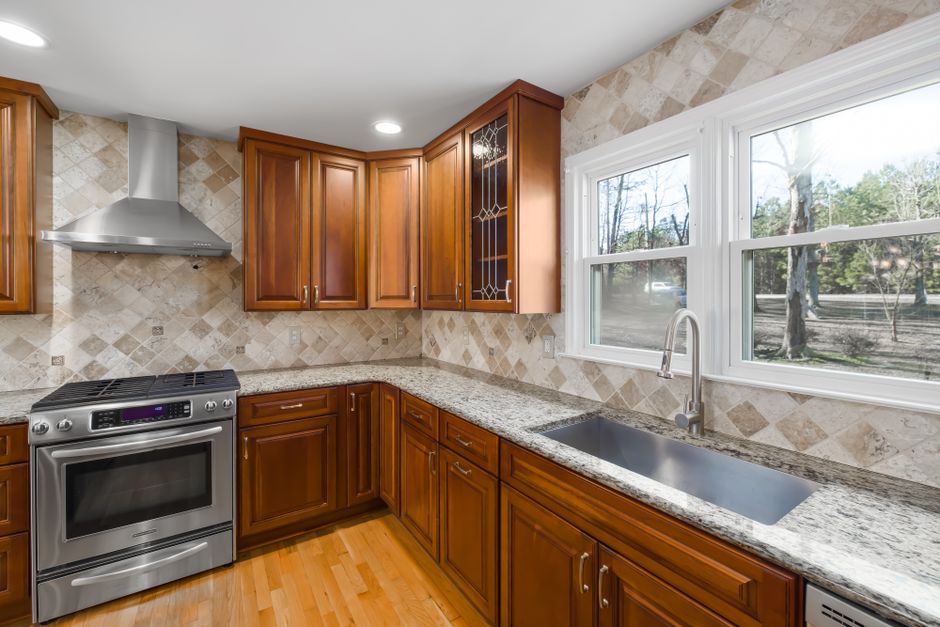
Stability decreases as the distance from the support increases. An overhang creates a lever effect that amplifies the pulling force of the bit. When profiling a bullnose or a complex edge, the weight of the router shifts. If the bit enters a climb cut on a quartzite slab, the material can fracture due to the sudden lateral stress. Keeping the router firmly pressed against the side of the stone prevents the bit from wandering. A steady, downward pressure helps counteract the tendency of the tool to jump forward.
Material Specific Variables
Hardness affects how a bit reacts to the stone. A marble slab or a piece of soapstone responds differently to heat and friction than a laminate or butcher block surface. High-speed rotation on a porcelain piece increases the risk of a climb cut because the material is brittle. If the bit catches a small void or a seam, the sudden change in resistance can trigger a slip. Keeping the feed rate consistent is the only way to maintain a clean line through the stone.
Edge Profile Integrity
A clean eased edge requires a constant angle. Any hesitation allows the bit to dwell, creating heat and potential chip-out. Using a digital template helps establish the path, but the physical movement must remain disciplined. Even with a perfect template, the mechanical pull of the bit on a granite remnant can cause deviations. Maintaining a straight line through a sink cutout or around an undermount sink requires the tool to stay ahead of the cutting force rather than being dragged by it.