Substrate-deflection-under-point-loads
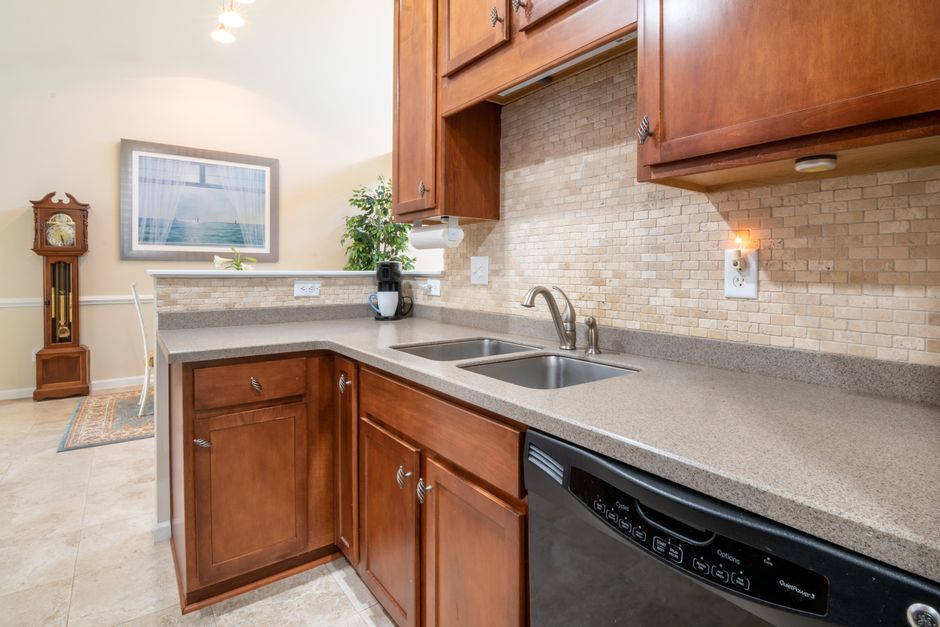
Structural deflection occurs whenever a heavy slab rests on an unsupported substrate. Calculations for a new work surface (as detailed by countertop installation rancho cucamonga busy bee kate) require precise measurements of the plywood thickness to prevent cracking in Rancho Cucamonga, CA. A granite slab exerts massive downward pressure on a single point during the templating phase. This pressure can cause a sub-base to bow, leading to permanent stress fractures in the stone once the material cures or settles.
Calculating Substrate Deflection
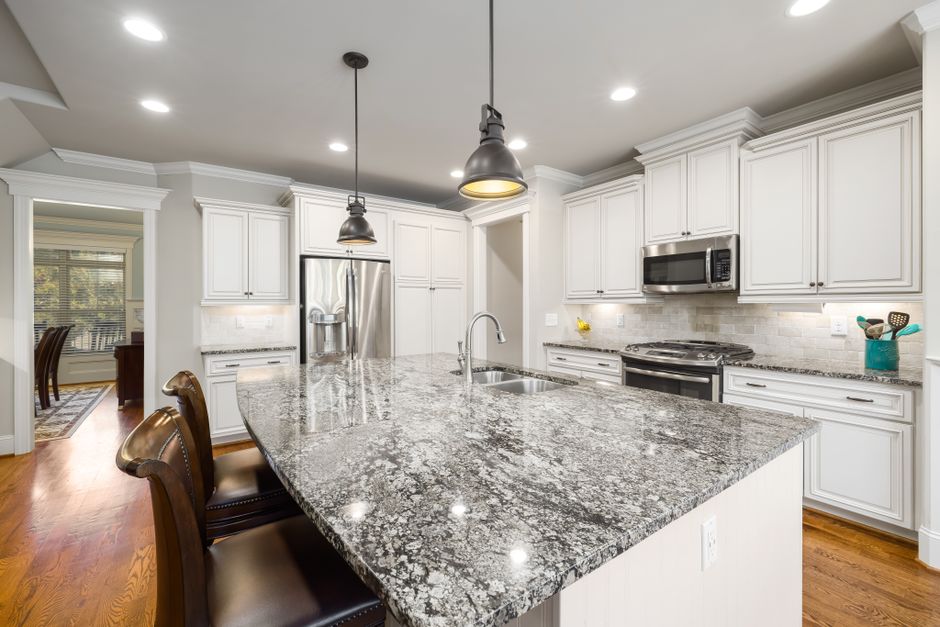
The thickness of the MDF or plywood base dictates the maximum allowable overhang. A standard 3/4 inch plywood sheet lacks the rigidity to support a heavy quartz overhang without additional blocking. If the deflection exceeds L/720, the risk of fracture in the stone increases significantly. A large granite piece acts as a lever on the edge of the cabinet. This mechanical advantage turns a minor bend in the wood into a catastrophic failure in the stone. Using a digital template helps identify where the weight distribution is most uneven across the span.
Load Bearing Requirements for Stone
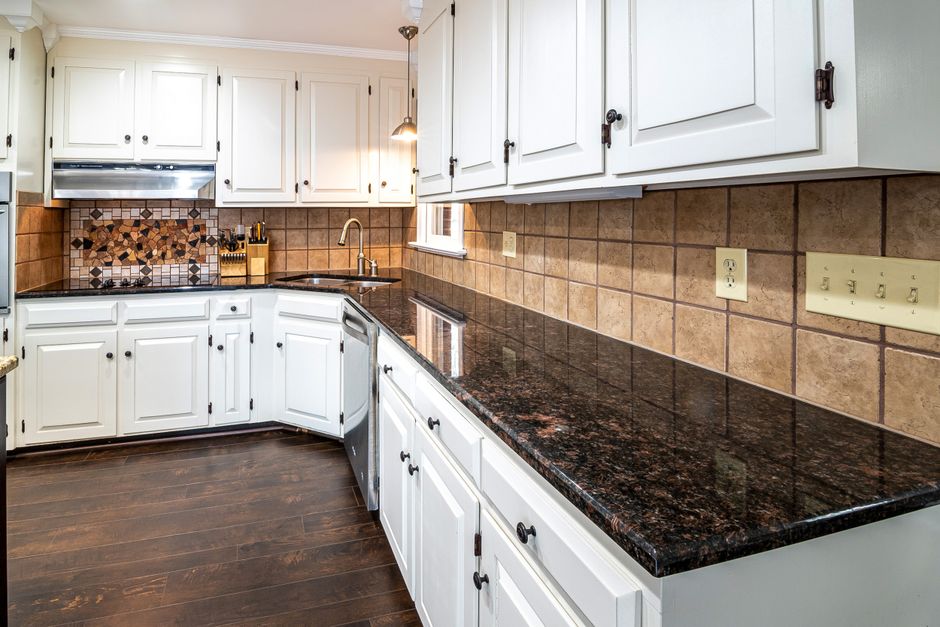
Quartzite and marble possess high compressive strength but very low tensile strength. This means the material handles weight well but snaps easily when the base underneath it flexes. A butcher block base provides more stability than thin laminate, but even thick wood requires steel reinforcement for a heavy waterfall edge. The weight of a slab is not distributed evenly. A sink cutout removes mass from the center, but it also removes structural integrity from the substrate. This creates a weak point where the weight of the remaining stone concentrates around the opening.
Mitigating Point Loads
Support must be continuous under the entire footprint of the stone. A seam placement should never occur over an area where the substrate is prone to bending. If a remnant is used for a small section, the support must be as robust as the main slab. Providing a solid ledge under an eased edge or a bullnose profile prevents the stone from tilting forward. Steel angle iron or heavy duty plywood doubling is required for any span exceeding twelve inches. A slab does not move, but the wood beneath it does.
Final Substrate Inspection
Checking the flatness of the base after the installation of the sink cutout is mandatory. Any dip in the wood will telegraph through the stone. A porcelain slab is even more sensitive to these movements than granite. The substrate must be level and rigid before the stone is set. Mechanical fasteners should secure the base to the cabinet carcass to prevent any lateral shifting. A stable foundation prevents the stone from cracking under its own weight.