Water-spill-migration-at-seams

Many homeowners overlook the microscopic gaps left during a countertop installation and assume a spill stays on the surface. The detailed observations found at countertop installation rancho cucamonga busy bee kate show how moisture travels through a seam if the epoxy or resin bond fails to create a waterproof barrier. Maintaining a work surface in Rancho Cucamonga, CA requires attention to these tiny junctions where two slabs meet.
The Mechanics of Capillary Action
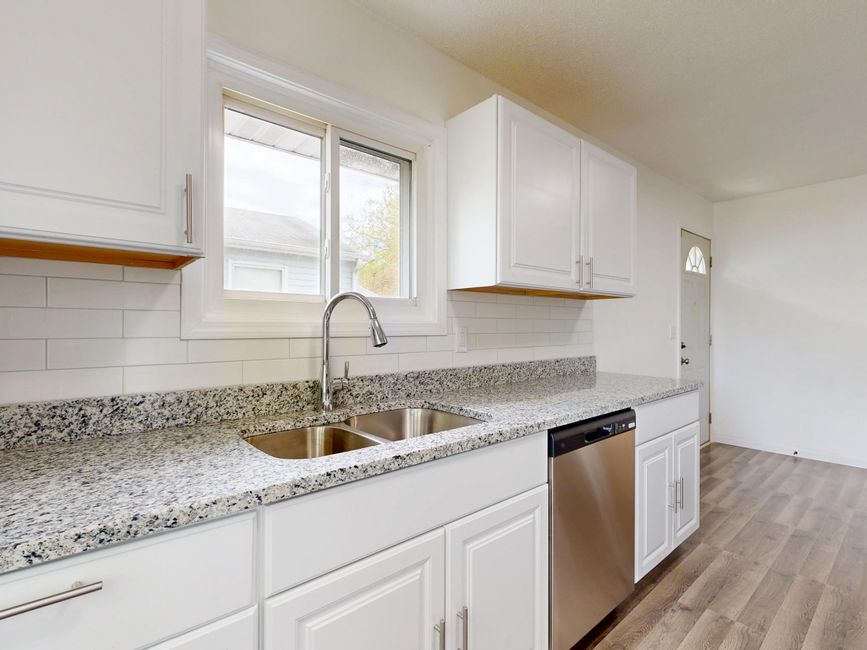
Liquid moves through narrow spaces via capillary action. When water sits near a seam, the surface tension pulls the fluid into the tiny void between the pieces of granite or quartz. This movement happens regardless of how tight the pieces look to the naked eye. A poorly bonded joint acts like a wick. Once moisture enters the gap, it sits against the subtop or the cabinetry below. This constant dampness leads to mold or wood rot over time. Even a single drop of water can migrate several inches deep into the joint if the seal is not absolute.
Material Specific Vulnerabilities

Different stones react to moisture migration in unique ways. A slab of quartzite often has more natural porosity than engineered quartz, which can influence how water behaves near a joint. Marble remains particularly sensitive to liquids that seep into the seam area. While a butcher block surface handles moisture differently, the primary concern for stone remains the structural integrity of the adhesive. If the epoxy does not fully bridge the gap, the seam becomes a permanent pathway for liquid. This risk is higher near a sink cutout where water exposure is constant.
Seam Placement and Geometry
Strategic seam placement reduces the number of entry points for liquid. Placing a seam away from an undermount sink limits the direct exposure to standing water. The geometry of the joint also matters. A straight seam is easier to seal than a complex curve. If a seam occurs at a corner, the physics of the liquid movement change. High density materials like porcelain provide a different level of resistance, but the seam remains the weakest link in any installation. A tight fit during the templating stage is the first step in preventing future seepage.
Long Term Structural Risks
Persistent moisture at a seam eventually compromises the bond between the stone and the substrate. In Rancho Cucamonga, CA, fluctuations in humidity and temperature can cause subtle expansion and contraction. These movements create micro-cracks in the sealant. Once a crack forms, capillary action takes over. A single seam failure can lead to much larger issues, such as the lifting of a slab or the degradation of the adhesive. Regular checks for discoloration or dampness near the joints help identify these issues before the damage reaches the cabinetry.