Caulk-bead-depth-to-width-ratio
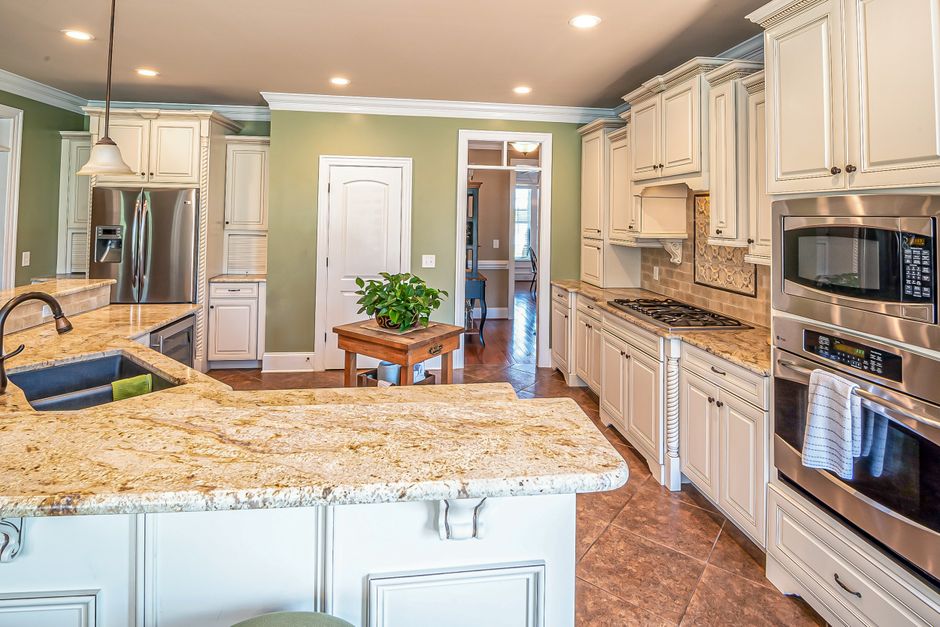
Two millimeters of depth creates the difference between a flexible seal and a fractured bond, and every teardown countertop installation rancho cucamonga busy bee kate has logged shows the same thing regarding how a quartz slab reacts to house settling. Proper sealant geometry matters for any work surface installed in Rancho Cucamonga, CA.
The Mechanics of Bead Geometry
A bead that is too wide and too shallow will tear under the slightest movement. The ideal ratio for a silicone bead in a backsplash joint is roughly one to one. If the width exceeds the depth by a factor of three, the material lacks the structural thickness to resist shear forces. This is a mechanical failure point. A thin, wide smear of silicone lacks the volume to compress and expand. Instead, it stretches until the bond at the substrate fails, leaving a gap between the stone and the wall.
Substrate Movement and Expansion
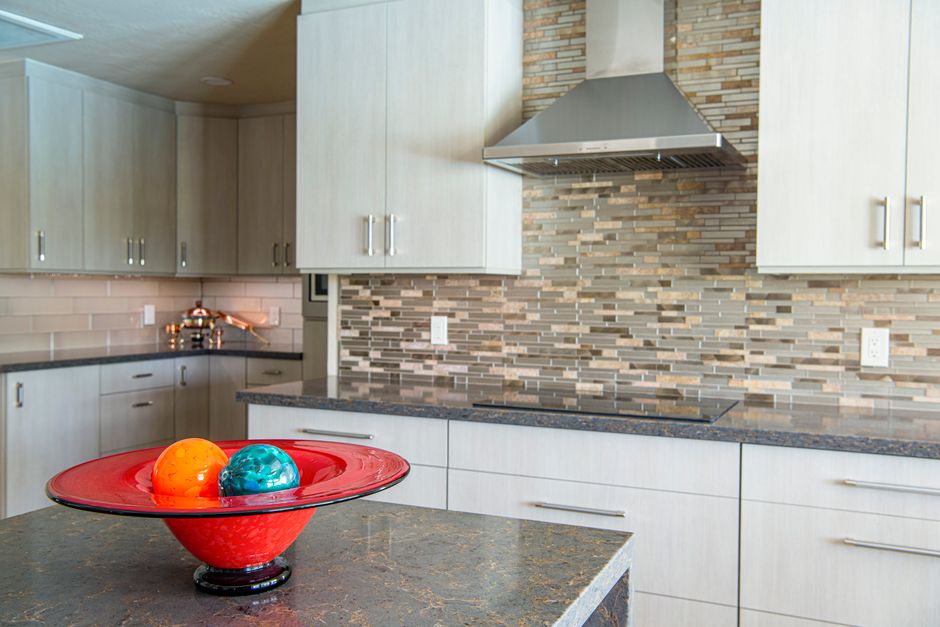
Houses in Rancho Cucamonga, CA move. Thermal expansion affects granite and marble differently due to their varying coefficients of expansion. A quartz slab remains relatively stable, but the junction where the stone meets a drywall backsplash is a zone of constant stress. If the bead depth is insufficient, the expansion of the stone will simply pull the sealant away from the wall. A deep, consistent bead allows the silicone to act like a spring. This spring action absorbs the movement without breaking the surface tension of the sealant.
Managing the Joint Width
The width of the gap is often dictated by the seam placement or the distance from the edge profile of the stone to the wall. A wide gap requires a deeper bead to maintain the correct ratio. If a sink cutout or an undermount sink installation creates a large void, the sealant must be applied with enough mass to fill that volume. Using a remnant piece to patch a joint often reveals that mismatched materials require different sealant depths to handle their specific weight and tension.
Application and Compression
Tooling the bead is as important as the volume applied. A bead must be pressed into the corner to ensure three point adhesion. If the silicone only touches the vertical wall and the horizontal stone, it will fail. It needs to bond to the back of the joint as well. Using a spatula to compress the bead ensures the depth is consistent. A shallow bead that looks clean on the surface often hides a lack of depth that leads to premature cracking during the first seasonal temperature shift.